Living in Montclair NJ: What Daily Life Is Really Like
May 14, 2026
May 14, 2026
If you want a suburb with real personality, Montclair is one of the first places people mention in North Jersey. You may be drawn to its older homes, village-style shopping districts, or easy access to New York City, but it helps to know how those features play out in daily life. This guide will give you a clear picture of what it’s actually like to live in Montclair, from housing and commuting to culture and everyday convenience. Let’s dive in.
Montclair is a township of about 41,076 residents, located at the foot of the First Watchung Mountain in Essex County. The township describes itself as a diverse community known for grand older homes, access to New York City, a strong arts presence, and active bike-and-walk advocacy.
For many buyers, Montclair stands out because it feels more layered than a typical suburb. Its history as a commuter town and early artist colony still shapes the town today, which you can see in its older housing, station-oriented districts, and busy cultural life.
One of the best ways to understand Montclair is to think of it as a collection of walkable pockets rather than one single downtown. That layout gives you options, but it also means your day-to-day experience can vary depending on where you live.
Some areas feel more urban and active, while others feel quieter and more neighborhood-scaled. If you are relocating, that difference matters because the right fit often depends on how you want your weekdays and weekends to feel.
Montclair Center is the township’s largest business district and the most urban-feeling part of town. It includes a museum, a concert venue, a cinema, hundreds of shops and cafés, the public library nearby, and multiple parking decks and lots.
This is the part of Montclair that often feels busiest and most energetic. If you like being close to restaurants, coffee shops, shopping, and entertainment in one area, this district may feel especially convenient.
Upper Montclair has more of a classic village-center feel. The township describes it as a district lined with Tudor-style shops and restaurants, with a local cinema, sidewalk sales, and Anderson Park nearby.
Watchung Plaza offers another compact, station-oriented setting with neighborhood shops, restaurants, an independent bookstore, and a coffeehouse. Both areas reflect Montclair’s history of growth around rail service, which still shapes how people move through town.
Walnut-Grove tends to feel smaller and more local. The township notes galleries, artisan bakeries, a broad range of restaurants, and the Walnut Street farmers market, which gives the area a regular weekly rhythm.
The South End is also described as a smaller district of shops and restaurants. If you prefer an everyday experience that feels less busy than Montclair Center, these areas may appeal to you.
In Montclair, the arts are not tucked away in the background. They are built into everyday routines, especially in the main commercial districts.
The Montclair Art Museum, founded in 1914, holds more than 14,000 objects and is one of the first museums in the United States devoted to collecting American art. Montclair Film operates The Clairidge, a six-screen nonprofit cinema in Montclair Center, and reopened The Bellevue Theatre in 2025 as another nonprofit cinema and community venue. The Wellmont Theater adds live performances to the mix.
For you as a resident, that means errands and entertainment often overlap. You can meet a friend for coffee, browse shops, and catch a film or live show without needing a special occasion to enjoy the town.
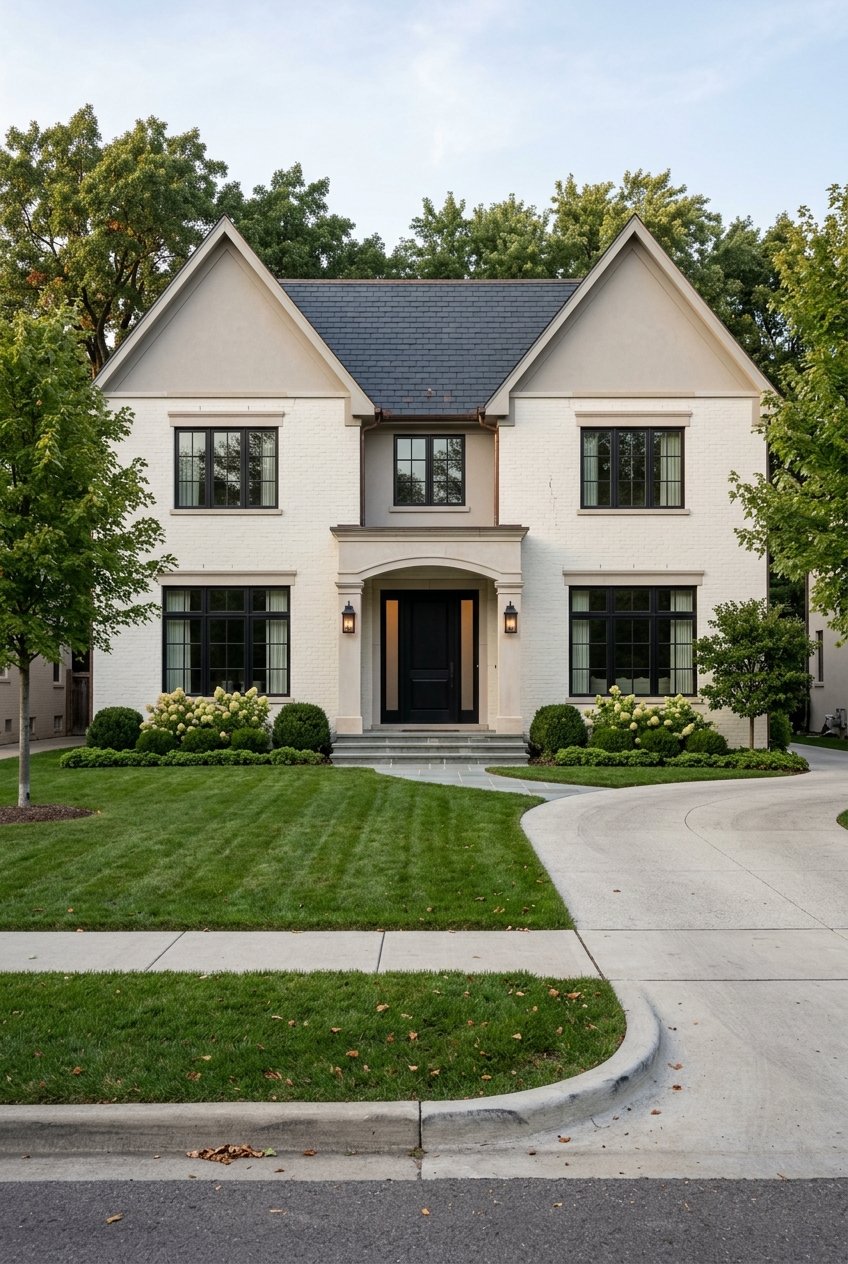
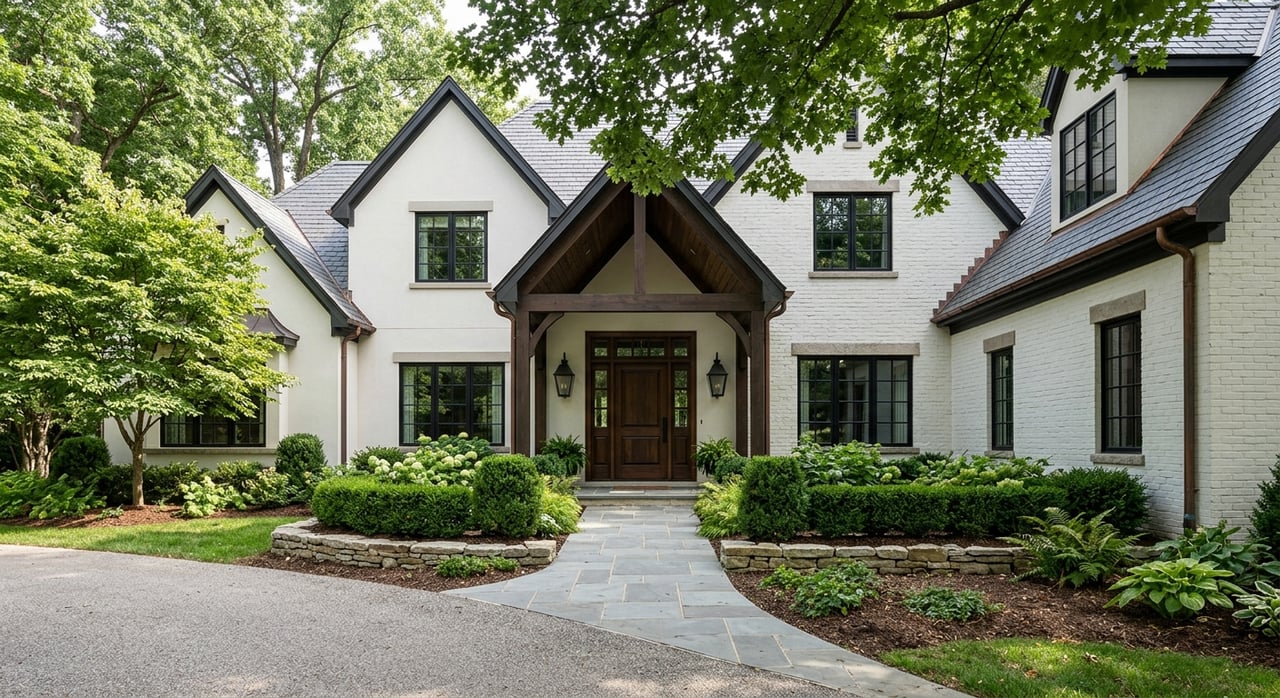
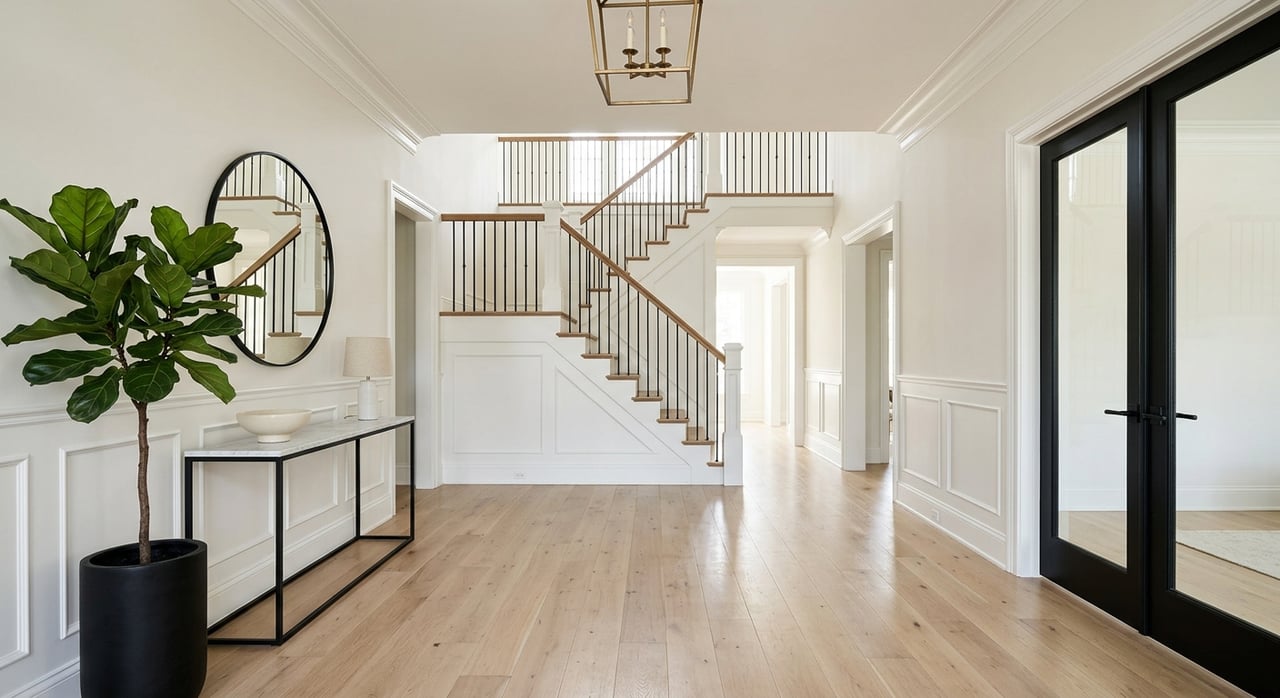
Montclair is a strong fit if you value architectural variety and a sense of history. It is less of a fit if you want newer, more uniform housing with fewer design differences from block to block.
The township has four locally landmarked historic districts, 64 individually designated landmarks, six National and State Registered Historic Districts, 100 State Register listed sites, and 52 National Register listed sites. Across the township, you will see a wide range of styles, including Queen Anne, Colonial Revival, Tudor Revival, Classical Revival, Italianate, and Bungalow-Craftsman.
That variety is part of what gives Montclair its appeal. Homes and streetscapes often feel distinctive rather than interchangeable, which many buyers see as a major benefit.
If you are considering a home in a local historic district, it is important to know that some exterior changes require review and a Certificate of Appropriateness. That does not mean updates cannot happen, but it does mean renovations may involve more process than they would in a newer suburb.
For the right buyer, that tradeoff is worth it. You may be getting architectural character and a more established setting, but you should go in with clear expectations about property changes and approvals.
Montclair sits at the higher-cost end of the North Jersey market. Census QuickFacts shows a median owner-occupied home value of $906,400 and a median gross rent of $2,063.
The owner-occupied housing rate is 56.9%, which suggests a mixed housing market rather than one dominated only by homeowners or only by renters. For you, that can mean a broader range of housing situations and living arrangements across town.
This price point is one reason buyers often benefit from a thoughtful strategy before entering the market. In a town where character, location, and commuting convenience can all affect value, clarity matters.
Montclair has long been tied to New York City, and that commuter identity still matters today. The township says Montclair is about 12 miles west of New York City and offers access by car, bus, or train.
The Montclair-Boonton Line serves several stations in town, including Bay Street, Walnut Street, Watchung Avenue, Upper Montclair, Mountain Avenue, and Montclair Heights. The township also notes that the Upper Montclair and Watchung Avenue stations provide easy access to and from New York Penn Station.
Montclair’s rail access is a real advantage, especially if you commute into the city. At the same time, local sources show that many residents still think carefully about how they get around for everyday life.
In 2026, township survey results on NYC bus and rail service highlighted concerns about limited off-peak, weekend, and reverse-commute options. A separate shuttle-bus survey also showed interest in local transportation for commuting, grocery trips, dining, entertainment, school transportation, and medical appointments.
The practical takeaway is simple: transit is a meaningful part of Montclair living, but it may not cover every trip you take. Depending on where you live and how you spend your time, you may still rely on a car or supplemental local transit.
The township says Montclair’s schools serve students from kindergarten through 12th grade through seven elementary schools, three middle schools, and one high school, using a themed magnet system. If schools are part of your move, this is one of the local systems you will want to understand early in your search.
Beyond schools, Montclair’s public life tends to feel active because many key amenities are close to business districts and transit nodes. Libraries, parks, shopping areas, arts venues, and community gathering places are part of the town’s daily rhythm.
Montclair is often a strong match if you want character, culture, and commuter access in one place. It can work well for buyers who value older homes, village-style commercial districts, and a lifestyle that blends suburban space with a more active public scene.
It may be a weaker fit if you want a fully car-free lifestyle or prefer newer housing that feels more uniform and lower-maintenance. Because Montclair has several distinct districts, the best approach is to look beyond the town name and focus on which part of Montclair best supports your routine.
Living in Montclair means choosing a suburb with texture. You are not just choosing a home. You are choosing between different village centers, commuting setups, housing styles, and daily rhythms.
That is exactly why so many people are drawn to it. If you want a town that offers history, culture, and practical access to New York City, Montclair has a lot to offer, especially when you match the right neighborhood pocket to the way you actually live.
If you are thinking about buying, selling, or relocating to Montclair, Ash Davis can help you make a smart, well-informed move with a clear strategy and a personalized approach.
Stay up to date on the latest real estate trends.
Whether you're buying, selling, or relocating, Ash is committed to delivering a seamless and personalized experience. Let’s start the conversation and build a strategy that works for you.