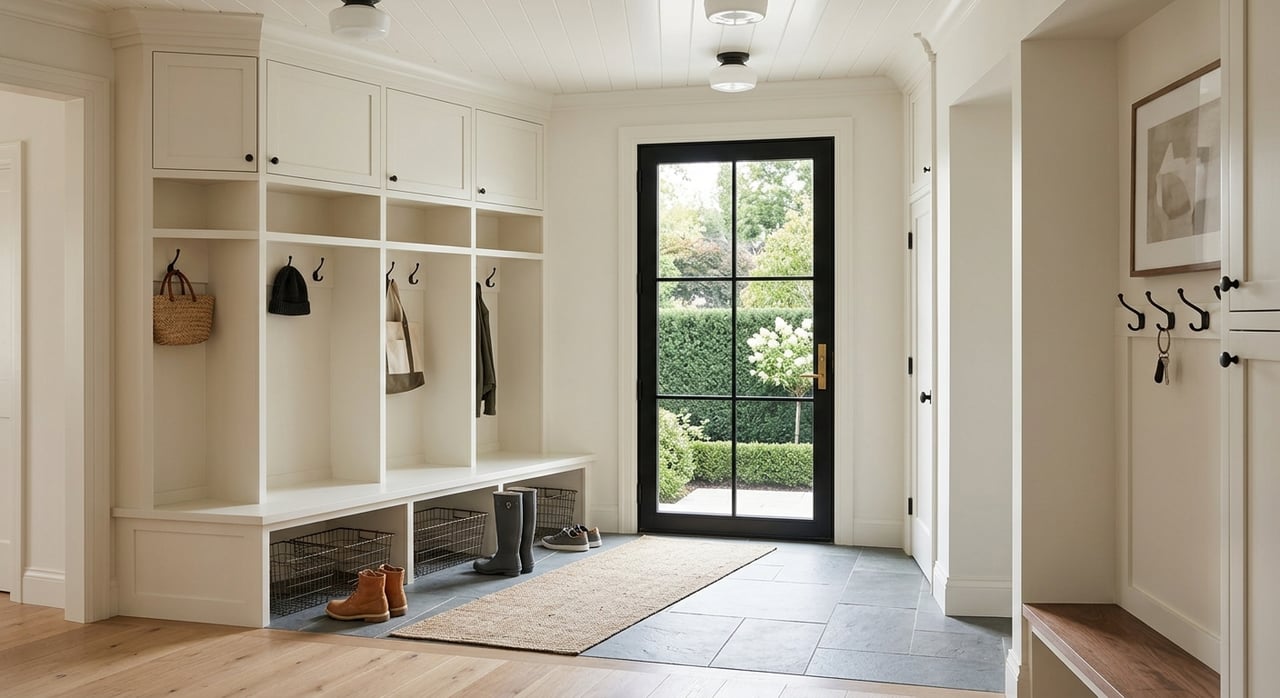
Is Huntersville The Right Fit For Your Move To Lake Norman?
June 25, 2026
June 25, 2026
Wondering if Huntersville gives you the right balance for a Lake Norman move? If you want access to the lake, a suburban feel, and a practical path into Charlotte, it often lands in a very appealing middle ground. This guide will help you compare Huntersville’s lifestyle, housing mix, commute patterns, and nearby alternatives so you can decide with more clarity. Let’s dive in.
Huntersville sits in Mecklenburg County and had a population of 61,376, according to U.S. Census QuickFacts. It also shows a 71.7% owner-occupied housing rate and a median owner-occupied home value of $472,900. That points to a well-established residential market with a strong homeownership base.
For many buyers, the appeal is balance. Huntersville is large enough to support retail, dining, services, and multiple neighborhood styles, but it still feels more suburban than Charlotte. If you want everyday convenience without moving into the metro core, that can be a strong fit.
Huntersville’s daily rhythm is built around convenience, activity, and access. Local visitor information describes the town as a place where shopping, motorsports, and natural parks all play a role. Areas like Birkdale Village and NorthCross add to that pattern with open-air shopping, dining, and service options.
In simple terms, this is not a place where daily life revolves around a traditional downtown all day long. It is more about running errands efficiently, meeting friends for dinner, getting outdoors, and staying close to major routes. That gives Huntersville a practical, active suburban feel.
Huntersville’s zoning framework includes rural, residential, mixed-use, town center, neighborhood center, and transit-oriented development districts. The town’s Neighborhood Residential district specifically notes that a range of housing types is encouraged. For you as a buyer, that suggests a mix of detached homes, townhomes, and planned communities rather than a single type of housing product.
That matters if you are still narrowing your priorities. You may be able to compare lower-maintenance options, newer community formats, and more traditional single-family layouts within the same town. It gives you more flexibility than a market with a narrower housing profile.
If you are exploring newer construction or townhome living, HOA dues should be part of your planning. North Carolina homeownership costs can include HOA expenses, and Huntersville’s development pattern makes HOA-managed communities a realistic part of the search. That is especially relevant in planned subdivisions and amenity-focused neighborhoods.
This does not mean every home will have an HOA. It does mean you should be ready to compare monthly dues, rules, and what those fees actually cover. For many relocating buyers, that review is an important part of understanding the real monthly cost of ownership.
Huntersville’s mean travel time to work is 27.1 minutes, based on Census data. That gives you a useful baseline, but your actual experience will depend heavily on when and where you travel. If your work or routine ties you to Charlotte, route planning matters.
The clearest takeaway is that Huntersville remains a drive-first suburb, even as transit options grow. NCDOT reports that I-77 express lanes now run from Uptown Charlotte to Exit 28 in Cornelius, with one express lane in each direction continuing north toward Exit 36 in Mooresville. That gives north corridor commuters more options, especially on longer runs.
CATS also launched CATS Micro in February 2025 for Northern Mecklenburg, serving Huntersville, Cornelius, Davidson, and Charlotte. Park-and-ride locations include Huntersville Gateway and Huntersville-Northcross, and CATS also offers vanpooling. These options can help, but for most households, a car-first lifestyle is still the practical assumption.
If you are deciding where to land around Lake Norman, it helps to think in terms of lifestyle fit rather than just home prices. Each nearby market offers a different tradeoff.
Charlotte is the metro core. Its July 1, 2025 population estimate was 964,784, and its owner-occupied housing rate was 51.0%, with a median owner-occupied value of $385,700. It also has a broader transit and neighborhood infrastructure footprint, including bus routes, rail, vanpools, and major parking programs.
If you want the broadest urban options, Charlotte has the deepest infrastructure and the largest job center. If you want more of a suburban ownership-oriented setting with easier access to Lake Norman amenities, Huntersville often feels like the calmer choice.
Cornelius is smaller, with 31,412 residents, and has a median owner-occupied value of $559,400. Its planning materials describe it as a vibrant and inclusive small community on Lake Norman. For many buyers, that translates to a stronger lake-town identity and a tighter, more premium housing profile.
Huntersville usually fits buyers who want more everyday convenience and a broader suburban base. Cornelius often appeals more if being closely tied to a lake-forward identity is high on your list and you are comfortable with a higher typical value profile.
Davidson is the most distinct small-town and college-town comparison. Census QuickFacts show 15,106 residents, an 80.0% owner-occupied rate, and a median owner-occupied value of $687,700. The town describes its traditional character as that of a small, historic college town.
If walkability and a clearly defined small-town atmosphere are major priorities, Davidson may stand out. If you want a more flexible suburban environment with a wider range of housing formats and a lower typical value point than Davidson, Huntersville may be the easier fit.
Mooresville had 50,193 residents and a median owner-occupied value of $390,900, with an owner-occupied housing rate of 58.3%. Its downtown plan describes Main and Broad Streets as the civic and mixed-use commercial core. In practical terms, Mooresville often reads as more of a value-and-space option.
If you are willing to be farther north of Charlotte in exchange for more space or a lower typical value profile, Mooresville may deserve a close look. If you want to stay in Mecklenburg County and keep a stronger connection to Charlotte while still living near Lake Norman, Huntersville may make more sense.
Huntersville tends to work well if you want a middle-ground move. It can be especially appealing if you are trying to balance suburban living, access to Lake Norman-adjacent amenities, and practical commuting options into the Charlotte area.
You may want to prioritize Huntersville if you are looking for:
If you are moving from out of state, structure matters. A clear process can save time, reduce stress, and help you compare towns more accurately. For many buyers, that is just as important as the home search itself.
A clean relocation timeline can be broken into six main phases:
This kind of sequence helps you avoid mixing emotional decisions with unfinished financial planning. It also gives you a better framework for comparing Huntersville with nearby alternatives.
If you are relocating on a tight timeline, preparation should happen before showings begin. A strong approach includes building a comparison sheet, grouping showings by geography, testing routes at likely commute times, and lining up your lender, inspector, and closing attorney early.
In North Carolina, a residential closing must be handled by a North Carolina licensed attorney or someone working under that attorney’s direct supervision. The North Carolina Department of Justice also warns buyers about wire-transfer scams tied to closings. That makes careful document handling and wire verification an important part of the process.
Electronic closings can make parts of the process more efficient, especially for relocating buyers. But they do not remove North Carolina’s underlying closing requirements. They change the workflow, not the legal obligations.
That is an important distinction if you are coordinating a move from another state. Convenience matters, but so does understanding what still needs to happen formally before ownership transfers.
If you want the suburban middle ground around Lake Norman, Huntersville is hard to ignore. It offers a larger residential base than Cornelius or Davidson, a more ownership-oriented feel than Charlotte, and a stronger Charlotte connection than Mooresville. For many buyers, that combination is exactly the point.
The right move comes down to what you want your day-to-day life to look like. If your ideal setup includes practical convenience, a mix of home options, and access to both Charlotte and Lake Norman amenities, Huntersville may be the most balanced choice on your shortlist.
If you want a clear, organized plan for comparing Huntersville with the rest of the Lake Norman area, Ash Davis can help you move with strategy, clarity, and confidence.
Stay up to date on the latest real estate trends.
Whether you're buying, selling, or relocating, Ash is committed to delivering a seamless and personalized experience. Let’s start the conversation and build a strategy that works for you.