Strategic Selling In Montclair: How To Prepare Your Home
May 21, 2026
May 21, 2026
Selling in Montclair is rarely just about putting a sign in the yard and waiting for offers. In a market where homes can move quickly, your preparation often shapes your price, your leverage, and how smooth the transaction feels from start to finish. If you want to sell with less stress and more control, a smart pre-listing plan can make all the difference. Let’s dive in.
Montclair is a fast-moving market by several measures, but the exact numbers vary depending on the source. Recent snapshots show median days on market ranging from about 11 to 22 days, with sale, value, and listing-price figures also differing across platforms. The key takeaway is simple: well-prepared homes can attract attention quickly, so you want to be ready before buyers begin weighing your home against the competition.
That matters even more in Montclair because much of the housing stock is older. The township’s housing element says 76.6% of housing units were built before 1980, and homes that are more than 50 years old are more likely to need major repairs. In practical terms, that means your first move should be understanding condition before you spend money on staging, photography, or cosmetic updates.
A pre-list review helps you spot issues a buyer may uncover later during inspections. When those surprises show up after you are under contract, they can lead to repair requests, credits, delays, or renegotiation. Getting ahead of them gives you more options and a stronger launch plan.
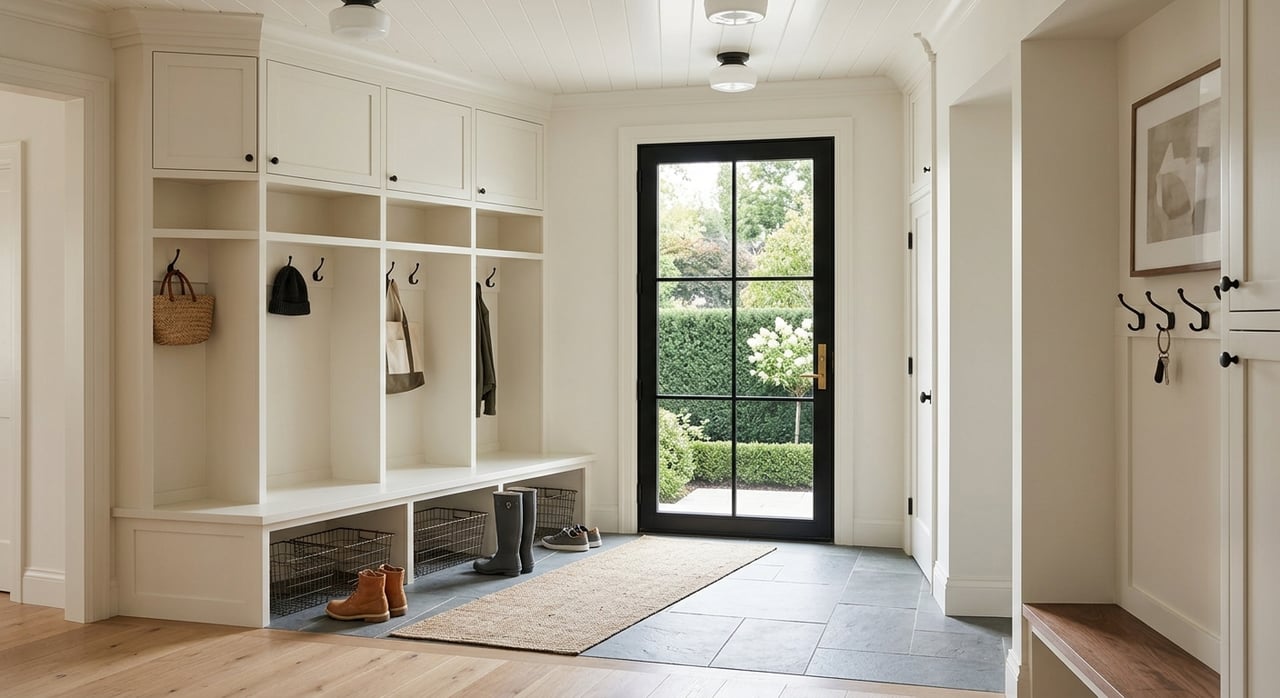
In many Montclair homes, the highest-value prep work is not a full renovation. It is often the simpler work that makes a home feel clean, cared for, and move-in ready. Think fresh paint, deep cleaning, decluttering, small repairs, staging, and curb appeal.
These updates matter because they improve presentation without creating unnecessary disruption. In a market that can move quickly, buyers tend to respond well to homes that feel complete and ready to show. An unfinished project or visible construction can work against that first impression.
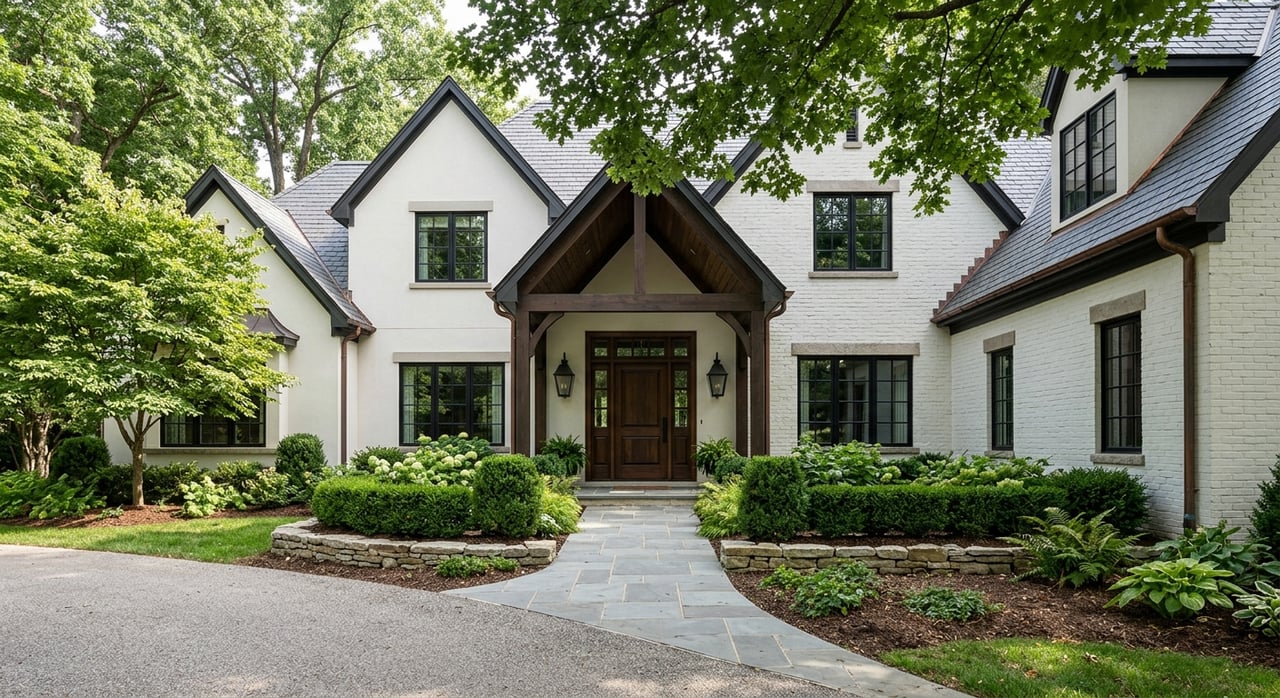
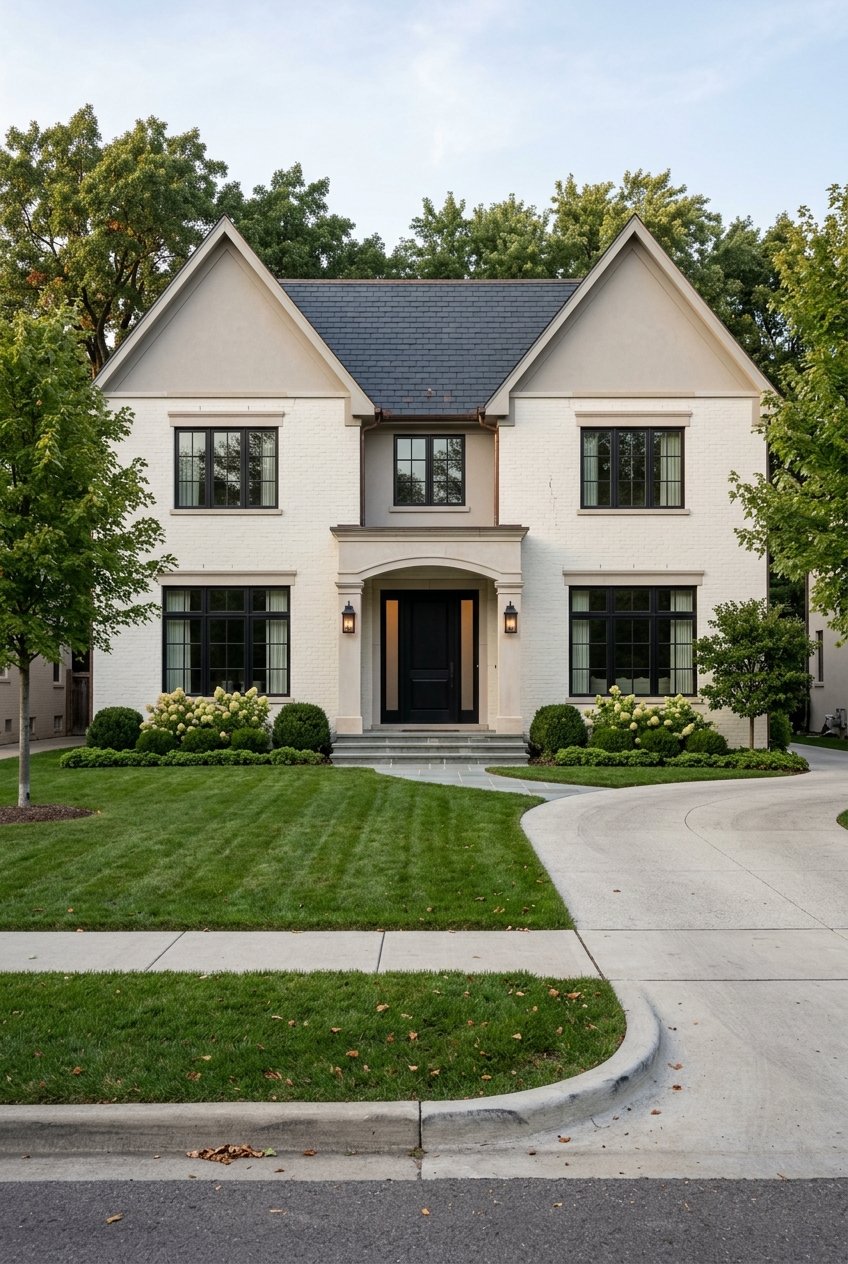
If your home has period character or original craftsmanship, your preparation should support that story. Montclair’s historic districts span architecture from the 1880s through the 1960s, so thoughtful presentation can highlight original details, appropriate updates, and the home’s design identity rather than making it feel generic.
Before you start a long to-do list, it helps to know what work is considered simple upkeep and what may trigger approvals. In New Jersey, ordinary maintenance generally does not require a permit, and that includes interior and exterior painting. But work involving structural elements, fire safety, plumbing, electrical, mechanical systems, or lead abatement may require permits.
Montclair’s Building Office directs owners to the state Uniform Construction Code for permit requirements. That makes planning especially important if you are trying to improve the home without slowing down your timeline. The goal is to avoid accidental scope creep that turns a quick refresh into a longer construction process.
For many sellers, the smartest approach is to separate projects into two categories:
That distinction helps you invest where it counts while keeping your listing timeline realistic.
Montclair has multiple local historic districts, including Pine Street, Town Center, Upper Montclair Business, and Watchung Plaza. If your property is in a local historic district or is a local landmark, some exterior changes may require a Certificate of Appropriateness.
According to the township, that certificate is required for certain exterior changes such as demolition or additions, changes in exterior elevation, new construction, signage, and exterior lighting. Interior changes, changes not visible to the public, exact replacements that do not alter exterior appearance, and painting do not require the certificate.
This is one reason strategic sellers check the rules before making exterior updates. If your home has architectural significance, the right prep plan protects both your timeline and your marketing story.
A polished listing is not just about appearance. It is also about being organized before a buyer writes an offer. In New Jersey, several disclosures can affect the timing and flow of your sale, so it makes sense to assemble paperwork early.
If your home was built before 1978, lead-based paint disclosure rules apply. New Jersey says sellers must disclose known lead-based paint hazards and provide available reports, and buyers are entitled to a 10-day period to conduct a lead inspection or risk assessment at their own expense.
Radon is another item to address early. The New Jersey Department of Environmental Protection says sellers must provide buyers, at contract, with a copy of any radon test results and evidence of remediation.
Flood risk also deserves attention before you list. New Jersey’s updated Seller’s Property Condition Disclosure Statement, in use since March 20, 2024, includes flood-risk questions, and sellers must disclose flood history and flood-zone status before contract signing.
When these items are gathered in advance, you reduce last-minute scrambling and help buyers feel that the transaction is being handled with care.
Montclair’s market data tells a strong story, but no single number tells the whole story. Recent reports showed a median sale price of $1.425 million, an average home value of $1,163,529, and a median listing price of $999,000. Those differences are normal because each source measures something different.
That is why strategic pricing should not rely on one headline figure. A better approach is to triangulate recent closed sales, current competition, and your home’s actual condition and presentation. The right price is not just about attracting attention. It is about positioning your home to create momentum.
If your property is in the higher end of the market, net proceeds deserve just as much attention as list price. New Jersey’s Division of Taxation says that for deeds submitted for recording on or after July 10, 2025, the Graduated Percent Fee on transfers over $1 million is imposed on the grantor, with tiered rates ranging from 1% to 3.5% depending on consideration. For many Montclair sellers, that means pricing strategy should account for closing costs as well as buyer demand.
Because Montclair homes can go pending on a compressed timeline, preparation should happen before your home hits the market. Waiting to solve issues after showings begin can create friction at the exact moment you want confidence and momentum.
A strong launch plan usually includes:
This kind of structure is especially helpful if you are balancing a move, work schedule, or relocation timeline. When the process is organized up front, you can respond to interest from a position of strength instead of scrambling under pressure.
Montclair buyers are not just comparing square footage. They are also responding to character, condition, and context. In a town with older homes and distinct historic areas, your marketing should reflect what makes your property specific, not generic.
That might mean highlighting original millwork, thoughtful updates, preserved architectural details, or a clean blend of classic character and modern function. It can also mean presenting the home in a way that feels polished and intentional from the first photo to the final showing.
For sellers in Montclair, strong marketing is not about hype. It is about clarity, presentation, and communicating value in a way that fits the home and the market.
The best-selling strategy in Montclair is usually not the most dramatic one. It is the one that is organized, data-aware, and realistic about how older housing stock, local rules, and buyer expectations all come together.
If you front-load the condition review, keep updates focused, prepare disclosures early, and price with context, you put yourself in a much stronger position. In a market that can move quickly, the sellers who prepare before launch are often the ones who create the best outcome.
If you are thinking about selling in Montclair and want a calm, strategic plan tailored to your home, connect with Ash Davis.
Stay up to date on the latest real estate trends.

Whether you're buying, selling, or relocating, Ash is committed to delivering a seamless and personalized experience. Let’s start the conversation and build a strategy that works for you.